
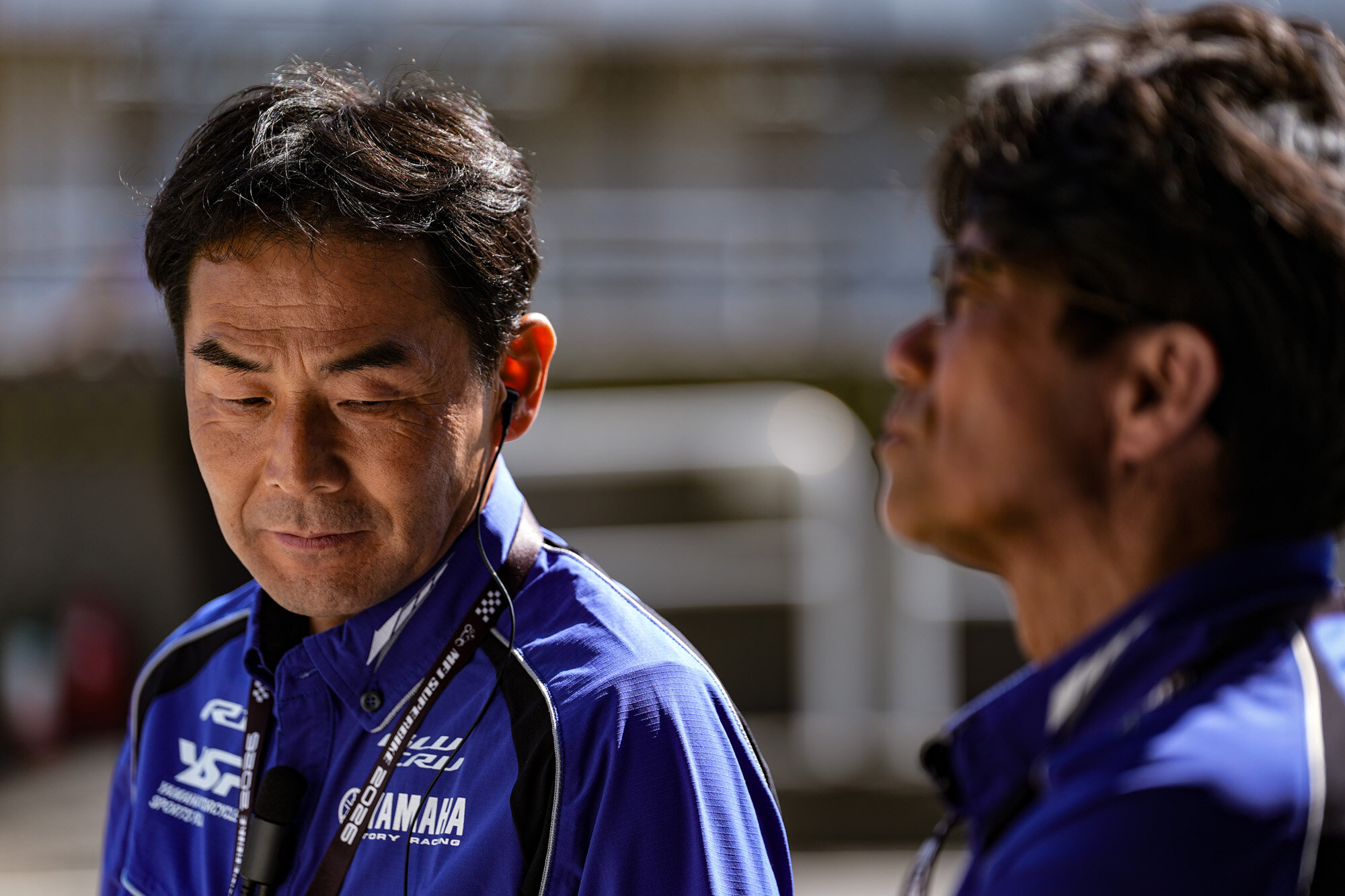
Coming Together to Surpass Ourselves: Team Manager Wataru Yoshikawa's Plan
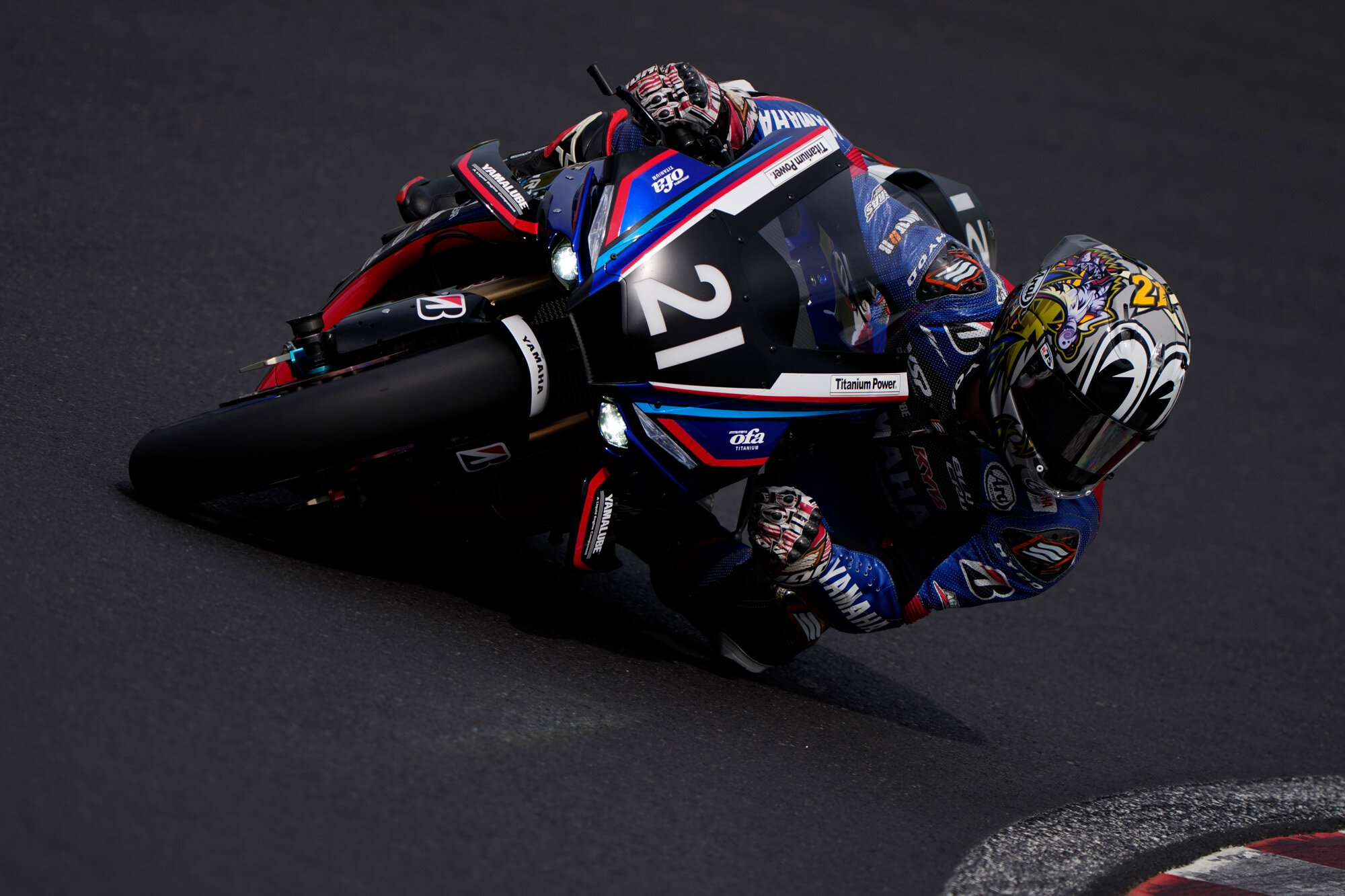
In 2025, the Yamaha Factory Racing Team returned to the Suzuka 8 Hours for the first time in six years. Despite limited time to prepare, they were in contention for the race win. Many in the team did not feel that last year's performance reflected their true potential. For 2026, Team Manager Wataru Yoshikawa and the team aim to build on last year's experience, elevate the program, and reclaim the winner's trophy.
"Anyone who knows the 8 Hours knows we were completely up against the clock last year--we didn't have enough prep time. It felt like we just barely managed to pull it off. I'm not using that as an excuse, but that's exactly why we held our debrief the second the race ended. For us, reflecting on how our race went was absolutely vital."
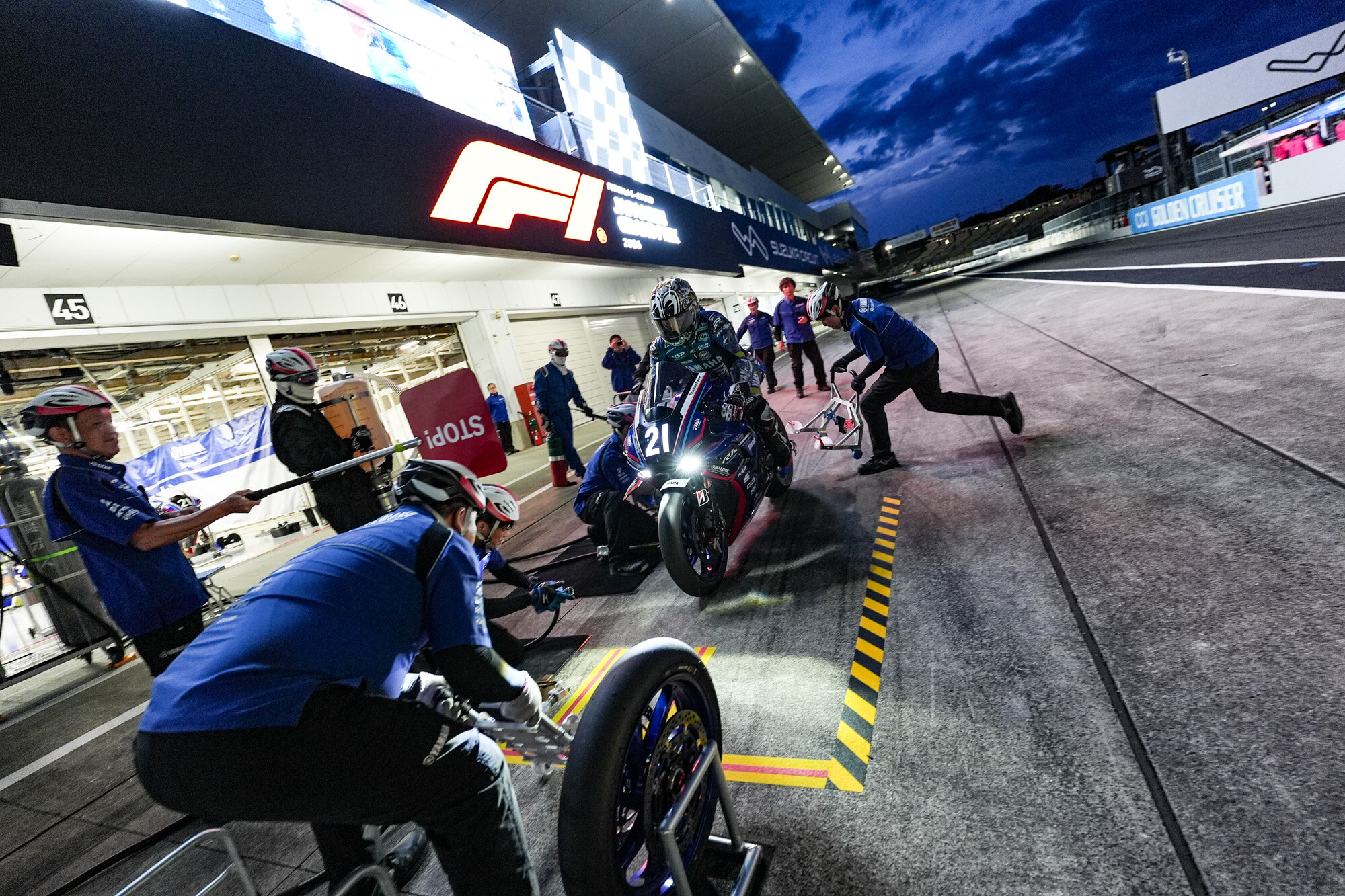
The debrief and review went way beyond just bike setup. The team picked apart everything--from pit stops and race strategy down to staff, riders, and even the smallest details like drinks, wet towels, and lunches. They looked at every single variable to figure out exactly what it would take to win, using last year's winning team as the benchmark. "We definitely had luck on our side at times, especially with the safety car timing," Yoshikawa admitted. "So I don't think we were up there based on pure performance alone. Even though our rivals were down a rider and racing as a pair, it felt like they were just playing with us--watching what we were doing and controlling the race from the front."
"Obviously, we need to be faster than last year," Yoshikawa continued. "But speed alone doesn't win the 8 Hours. It takes more than just riders pushing to the limit and a fast bike. Our pit work wasn't quite there either. Every single person on this team has to step up, even if it's just by a fraction of a percent. It's the sum of all those tiny improvements that decides the final gap. In a way, our 2026 race started right there in that debriefing room last year. Nothing was official yet for this year, and I think a few guys were a bit skeptical, but in our minds, we were never going to let this be a one-and-done effort." Yoshikawa is usually soft-spoken, but his tone sharpened as he said this. He knows exactly how much that loss stung the entire garage.
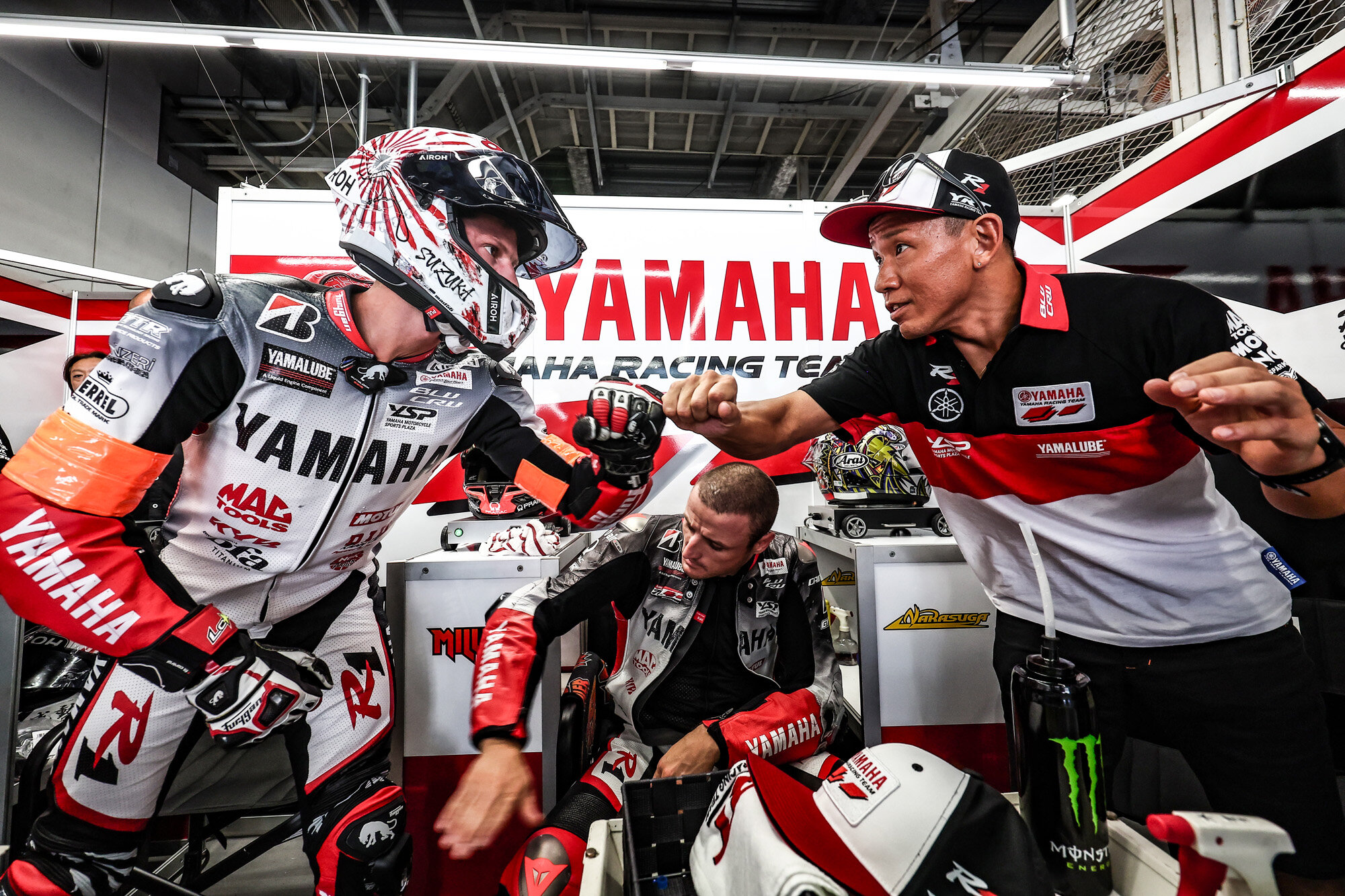
Looking ahead to 2026, the team carefully considered what riders to pick as well. "Because Yamaha has such a deep talent pool across MotoGP and World Superbike, a lot of different names were thrown around," Yoshikawa explained. "We talked about the possibility of Xavi (Vierge), and while Toprak (Razgatlioglu) won a title on the R1 and is undeniably fast, his height and long limbs mean his riding position is completely unique. When you're leading an endurance team, the goal is getting three riders to go fast on the exact same bike setup--so experience is everything. Right after last year's race, Jack told us, 'I'm definitely coming back for revenge next year,' and Loca also made it clear he wanted in. For us, seeing that level of hunger and knowing they're fully committed is what matters most." Also, since Jack and Loca will be going straight into the race weekend this year without any prior testing, it made the most sense to retain the same three riders.
In finalizing the rider lineup, they weren't just looking at lap times or trophies. Teamwork was also a major factor. Last year, both riders proved they had it--taking the initiative on grueling test tasks, supporting the crew, and fostering open dialogue with their teammates. It marks a fascinating evolution in the sport, as Yoshikawa explains. "GP riders in the past tended to be the 'me, me' type," Yoshikawa reflects. "But since 2015--looking back at guys like Pol Espargaró, Bradley Smith, Alex Lowes, and Michael van der Mark--we've seen a shift. Today's riders accept what they can and cannot do. Within those limits, they focus entirely on what we can achieve together." That ego-free synergy is exactly what makes the current trio thrive, despite their vastly different backgrounds. "Jack usually rides the M1, so when he jumps on the R1, it's like a whole new world to him. He tackles it with a feeling like he can handle absolutely anything," Yoshikawa says. "Meanwhile, Loca is competing in the same category as these guys, so he's got that fierce drive--he can't afford to lose to Jonathan (Rea). Yet, he manages that pressure brilliantly in his own way, finds his balance, and gives us everything. I'm truly grateful for that."
"That said, since this is their second year in a row, they have a pretty good idea of what to expect, and they're genuinely looking forward to the upgrades. But you have to remember, the connection between a rider and their bike is a living, breathing thing. The MotoGP M1 and the Superbike R1 are constantly evolving, and a rider's feel for the bike changes right along with those updates. I just hope all those moving parts come together in the right direction."
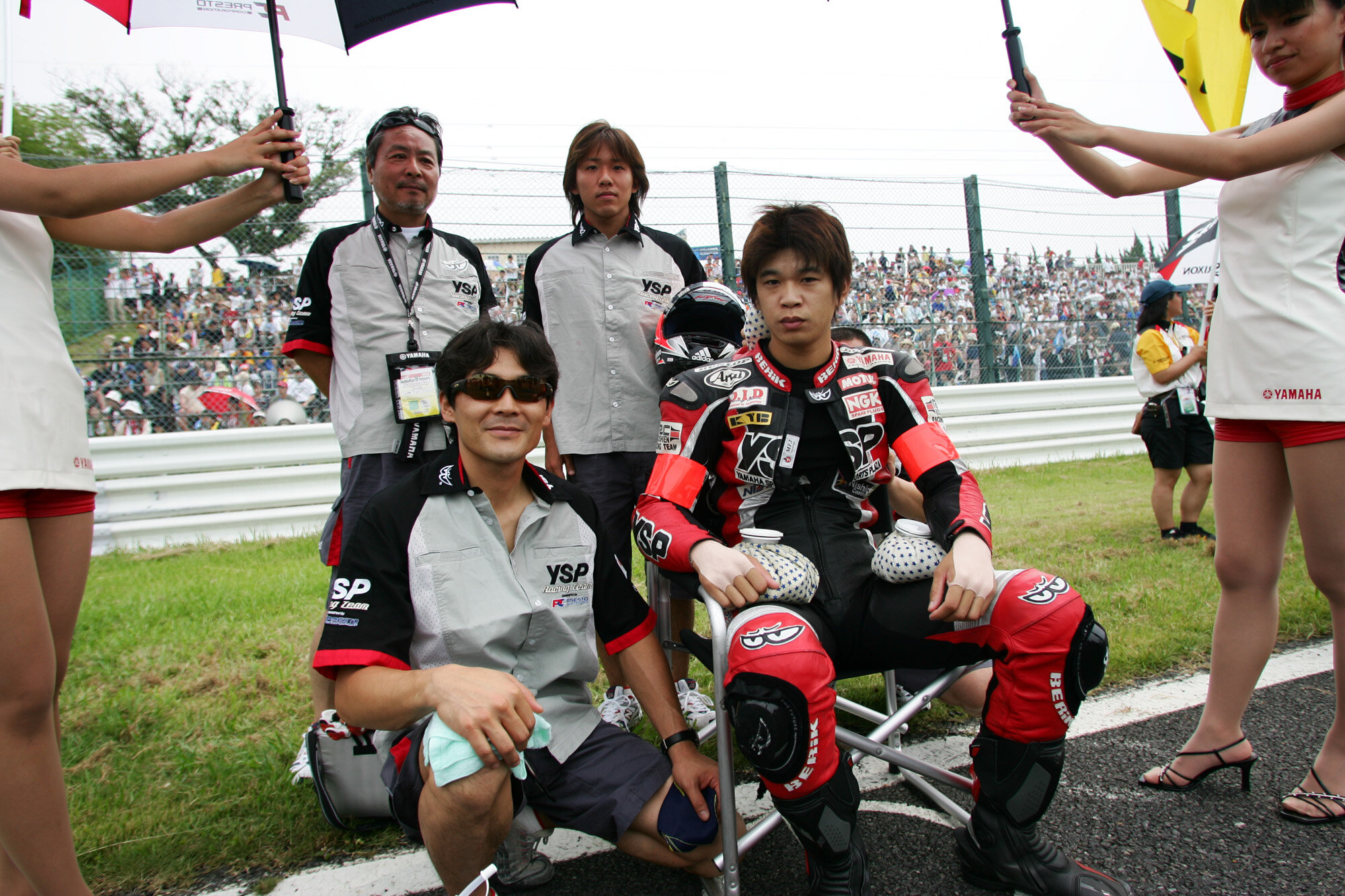
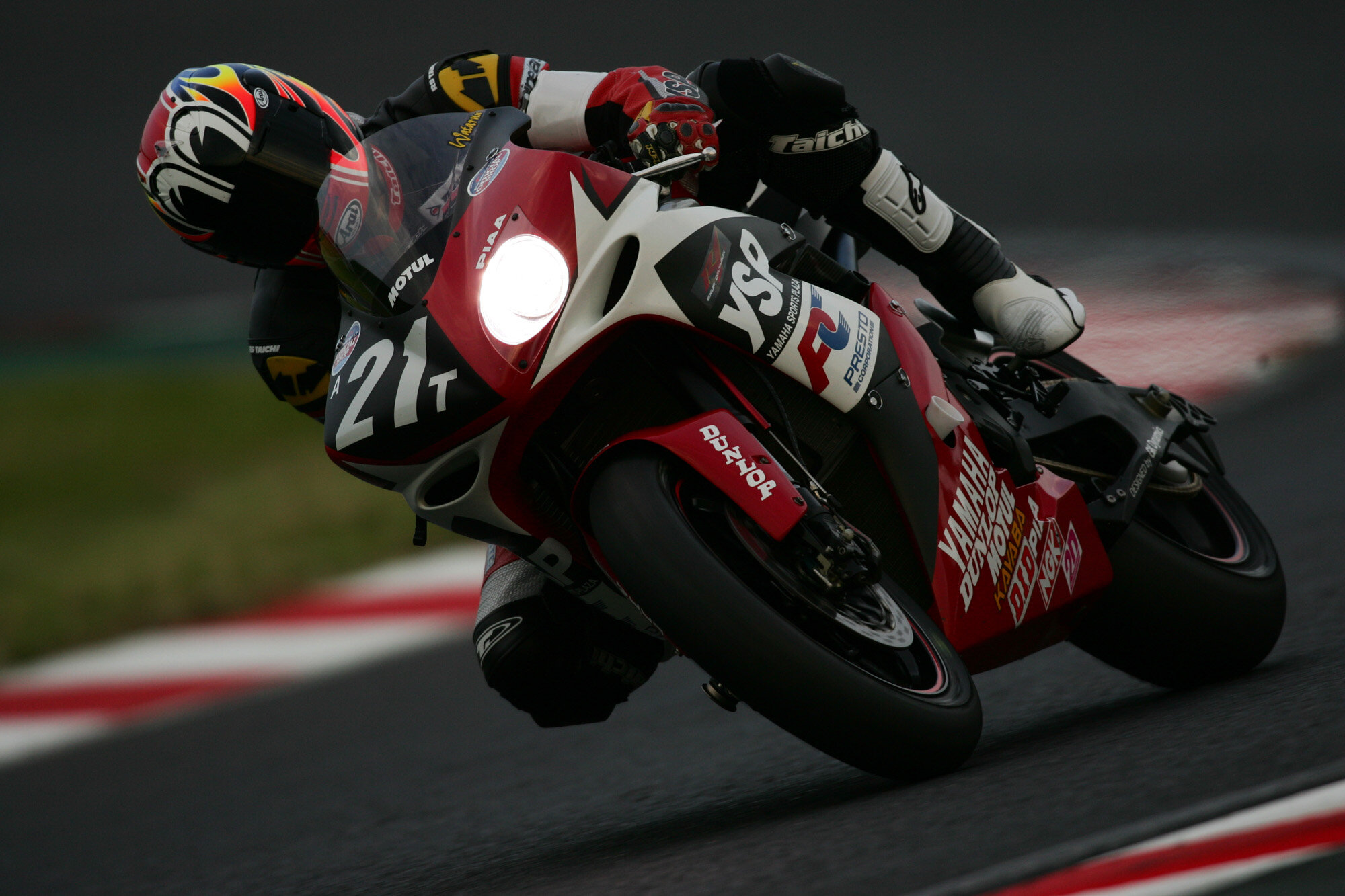
Then there is Katsuyuki Nakasuga. It was actually Team Manager Yoshikawa who first spotted Nakasuga's talent back in 2003 and brought him on as the team's third rider. Since then, Yoshikawa has mentored his longtime protégé, eventually building the entire team around him.
"Back between 2003 and 2005, when Nakasuga was our third rider, he was under huge pressure being part of Yamaha's top squad," Yoshikawa recalls. "But whenever I told him, 'Look, if the worst happens and you crash, that's on me--so just go out there and leave it all on the track,' he'd always come back with solid lap times. By 2006, when he signed his official contract with Yamaha, you could see it had clicked for him. He understood his role, took on those new responsibilities, and just completely transformed into a top-tier rider."
Looking back, Yoshikawa recalls a distinct turning point in their relationship. "For guys from my generation, the default mindset was always tough love," Yoshikawa laughs. "You'd be harsh on riders, telling them exactly how to do things, or demanding to know why a session didn't go right. But back then, Nakasuga just looked at me and said, 'I'm the type of guy who thrives on praise, so you need to praise me more.' Mind you, he hadn't even achieved anything yet! It totally threw me. I remember thinking, 'Is this really how the younger generation is nowadays?' But that was the exact moment I realized I needed to change my approach. I decided to become a sort of parent figure to him. I actually started reading up on different coaching methods, trying to figure out what would uniquely work for Nakasuga. I did my best to read his mind--anticipating his needs from every angle just to get him into the right head space."
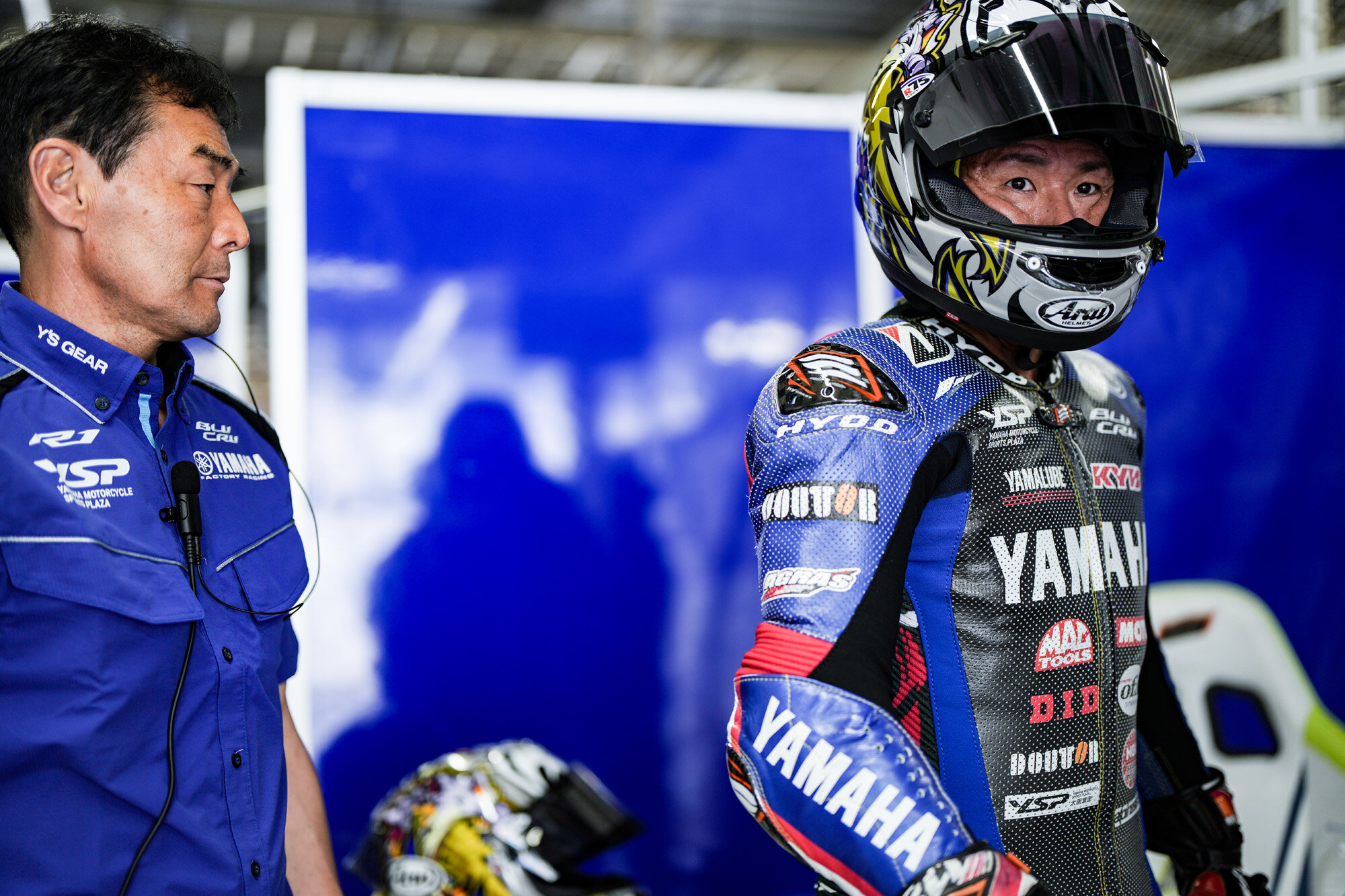
It is precisely because they have weathered so many challenges together that Yoshikawa places such absolute trust in Nakasuga. "Take 2015 for example. We didn't have solid data yet, especially on fuel consumption," Yoshikawa says. "I told Nakasuga to prioritize fuel efficiency during the opening stint--I told him he didn't need to lead, just use the slipstream to save fuel. We were essentially relying entirely on him, but he performed even better than we imagined and took control of the race. Of course, back then the R1 was a brand-new model, so we had a bit of a margin to work with and managed to pull it off. This year is completely different. Also, the fact that he's retiring brings a totally unique kind of pressure, and it's harder for him to keep his emotions in check. Look at his age--he's doing an incredible job. But he's human, and there are times he voices his doubts. My only goal right now is to get him to that final checkered flag healthy and at his absolute best. We aren't treating this like some big 'farewell' event; we're going to approach it exactly like we always do.
Naturally, the conversation turns to this year's 8 Hours. "It's all about how you apply pressure to your rivals," Yoshikawa explains. "Specifically, you have to stay close enough to pounce the exact second they make a mistake. In endurance racing, the leaders will relax the moment they see the gap behind them widening. But if you're right on their rear wheel, the mental weight is big. The same thing applies to pit stops--if the crew knows that one slipped nut or sticky tire change will cost them the lead, everyone feels the heat."
That is why they are not planning a race based on simply pulling away from the pack; instead, the strategy is to stay right behind their rivals, applying constant pressure and setting the stage to make a decisive move at the critical moment. "We are absolutely determined to beat the benchmark we set in 2025 and deliver the result everybody is waiting for," Yoshikawa says, wrapping up. "More than anything, we want to put on a show that gets the fans on their feet, so I hope everybody will be cheering for us in the race."
Unlocking every ounce of potential from both his rider and his crew, Yoshikawa is laser-focused on steering the Yamaha Factory Racing Team to a historic ninth victory in the 2026 Suzuka 8 Hours.